
Red Light Therapy for Hair Growth: Does It Really Work?
Red Light Therapy for Hair Growth: Does It Really Work?
Hair loss is one of the most searched health concerns today—and many people are turning to red light therapy for hair growth as a non-invasive solution.
In this guide, you’ll learn the science, results timeline, benefits, risks, and how to use it correctly for real hair regrowth.
What Is Red Light Therapy?
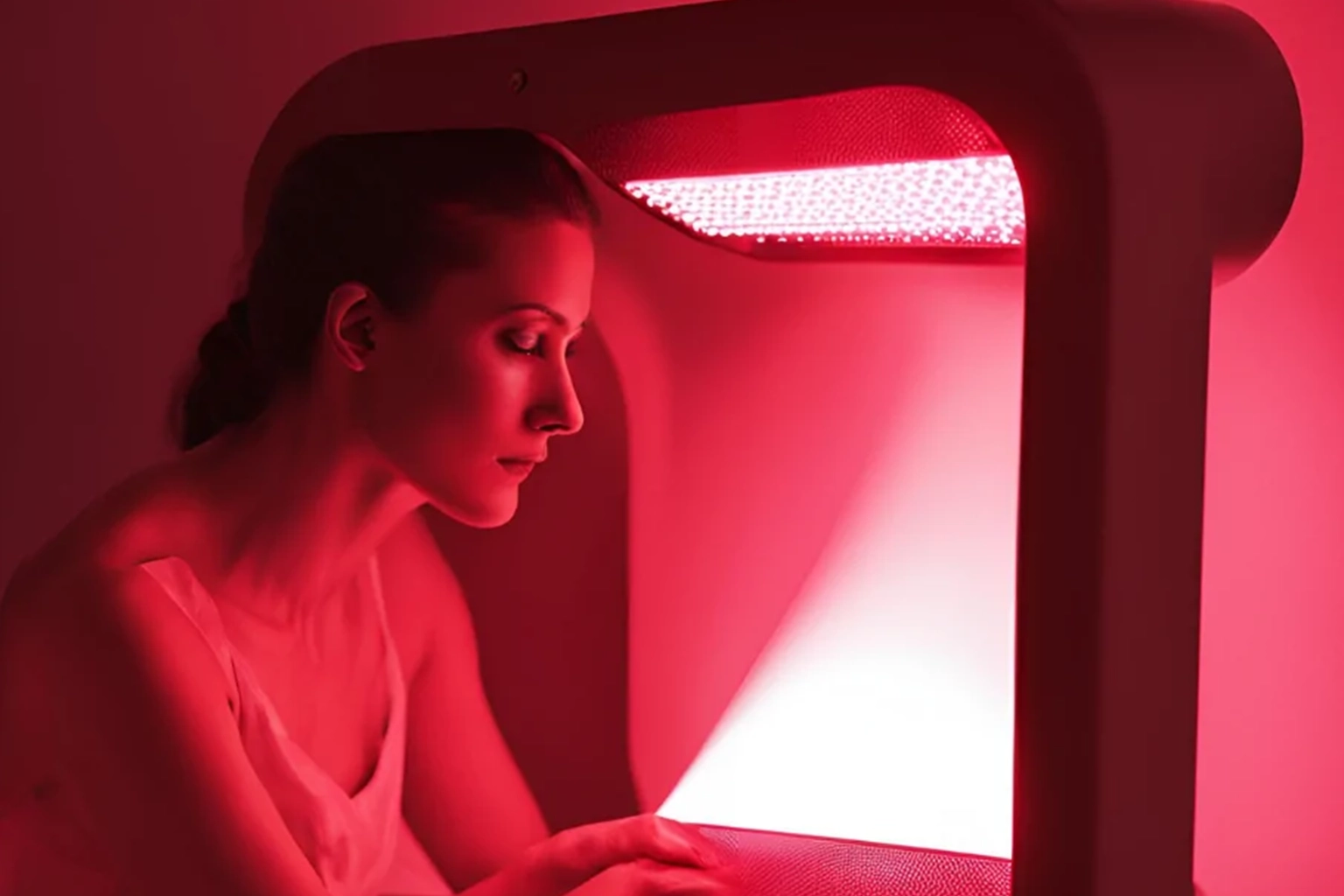
Red light therapy (RLT), also known as low-level laser therapy (LLLT), uses specific wavelengths of light (usually 630–850 nm) to stimulate cells in the body.
When applied to the scalp, it:
- Improves blood circulation
- Stimulates hair follicles
- Extends the hair growth phase (anagen phase)
How Red Light Therapy Works for Hair Growth
Hair follicles need energy to grow. Red light therapy works by boosting mitochondrial activity, which increases cellular energy (ATP).
This helps:
- Reactivate dormant hair follicles
- Strengthen weak hair strands
- Reduce inflammation in the scalp
In simple terms: it “wakes up” your hair roots.
Does Red Light Therapy for Hair Growth Really Work?
Yes—but with conditions.
Clinical studies show that consistent use of low-level laser therapy can:
- Increase hair density
- Improve hair thickness
- Slow down hair loss
However:
- It works best for early-stage hair thinning
- It may not regrow hair in completely bald areas
How Long Does It Take to See Results?
One of the most common questions about red light therapy for hair growth is timing.
Typical results timeline:
- Weeks 1–4: Reduced hair shedding
- Weeks 6–12: Noticeable improvement in thickness
- 3–6 months: Visible hair regrowth
- 6+ months: Strong, fuller hair
Consistency is key.
Benefits of Red Light Therapy for Hair Growth
- Non-invasive and painless
- No major side effects
- Can be used at home
- Suitable for people of all genders
- Improves scalp health
Potential Side Effects
Red light therapy is generally safe, but some individuals may experience:
- Mild scalp irritation
- Temporary redness
- Dryness
These effects are rare and usually temporary.
How to Use Red Light Therapy for Hair Growth (Correctly)
To get real results, proper use is essential.
Best practices:
- Use 3–5 times per week
- Sessions: 10–20 minutes
- Keep the device close to the scalp
Best Wavelength for Hair Growth
The most effective wavelengths are:
- 630–660 nm (red light) → surface-level stimulation
- 810–850 nm (near-infrared) → deeper penetration
The most effective devices combine both ranges.
At-Home Devices vs Clinic Treatments
At-home devices:
- More affordable long-term
- Convenient
- Require consistency
Clinic treatments:
- Stronger equipment
- Potentially faster results
- Higher cost
Why Red Light Therapy Might Not Work for You
If you’re not seeing results, it could be due to:
- Inconsistent use
- Low-quality devices
- Inactive hair follicles
- Underlying hormonal issues
Who Should Use Red Light Therapy?
This treatment may benefit individuals experiencing:
- Early hair thinning
- Pattern hair loss
- Postpartum hair shedding
- Stress-related hair loss
Pro Tips for Faster Results
To improve effectiveness:
- Combine with treatments like minoxidil or natural oils
- Maintain a balanced diet
- Manage stress levels
- Use a high-quality device
FAQs
Does red light therapy regrow hair permanently?
It can support ongoing hair growth, but stopping treatment may lead to gradual reversal.
Is red light therapy FDA approved?
Some devices are FDA-cleared for treating hair loss.
Can red light therapy be used by anyone?
Yes, it is generally suitable for people of all genders experiencing hair thinning or loss.
Red light therapy for hair growth does work—but only when used consistently and correctly.
It’s not a miracle cure, but it remains one of the most promising non-invasive treatments available today for supporting healthier, fuller hair.